History
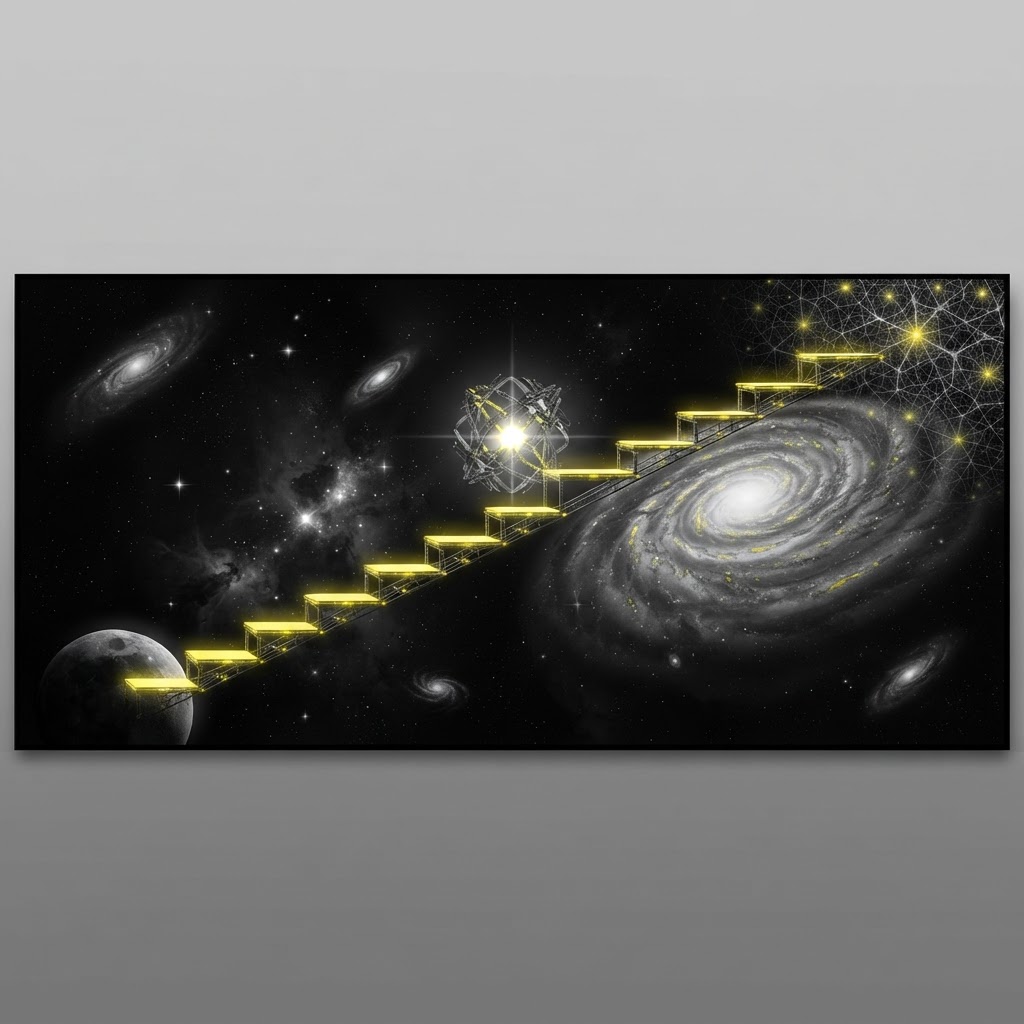
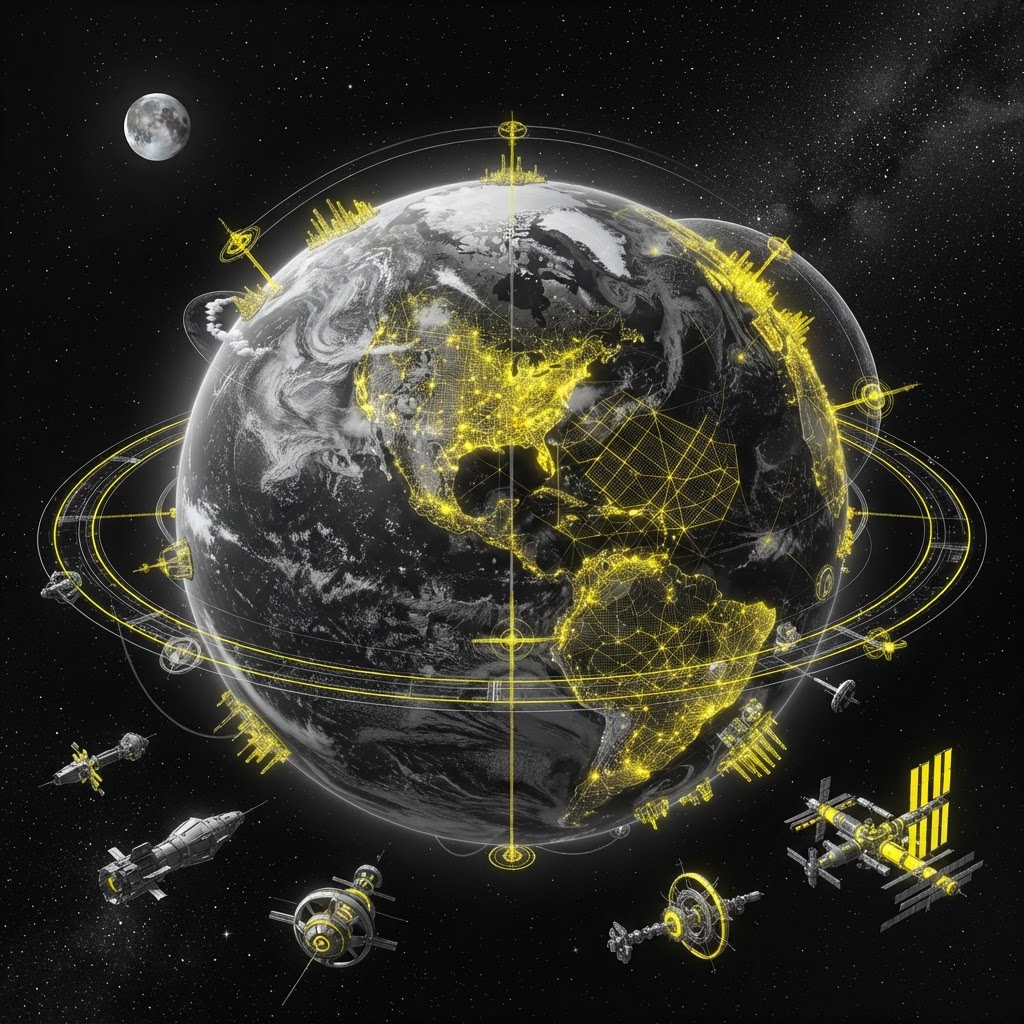
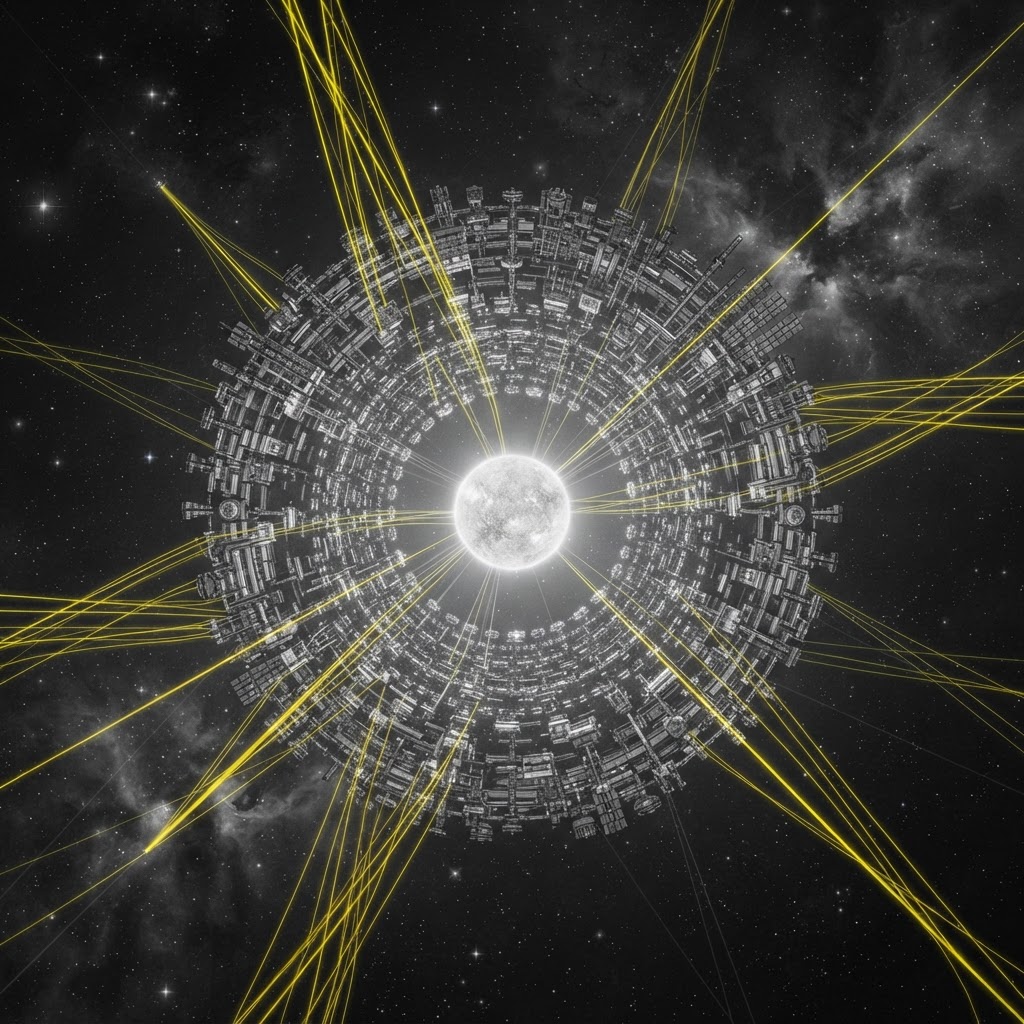
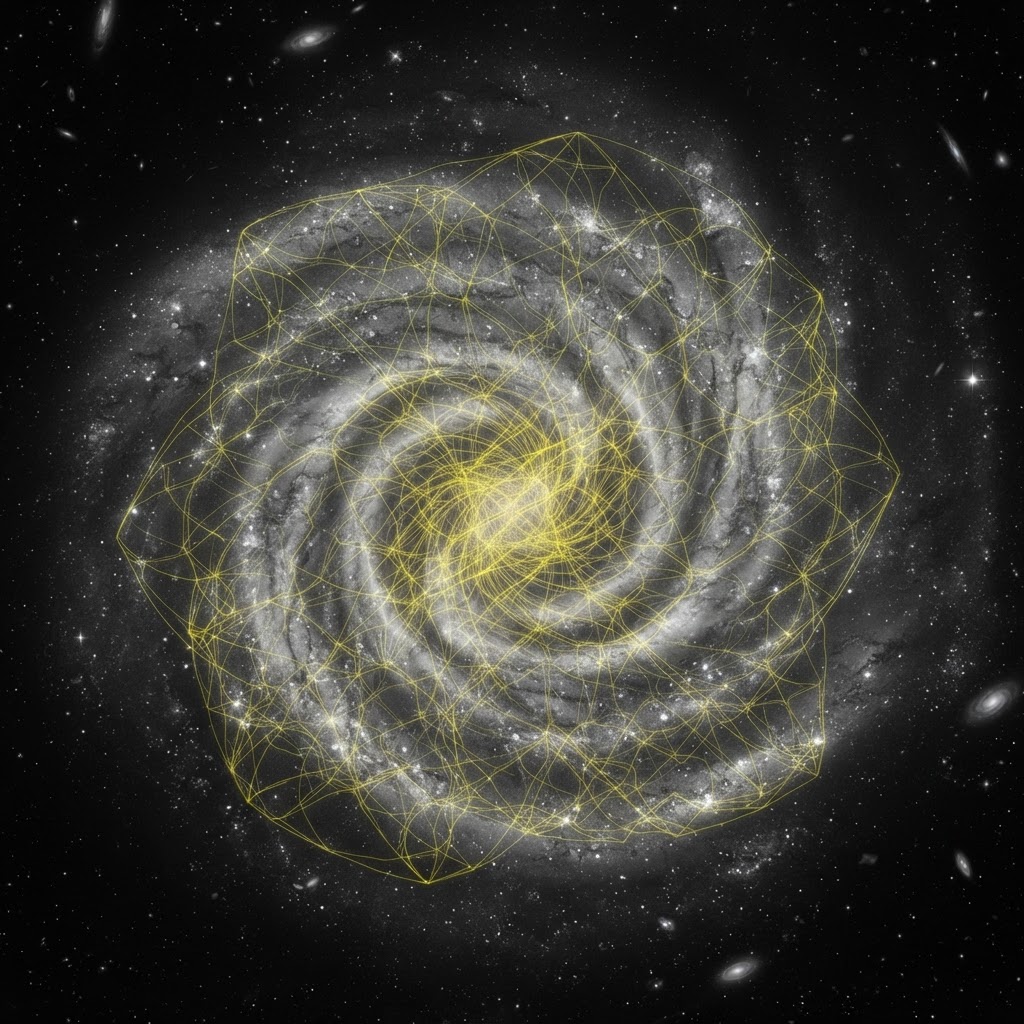
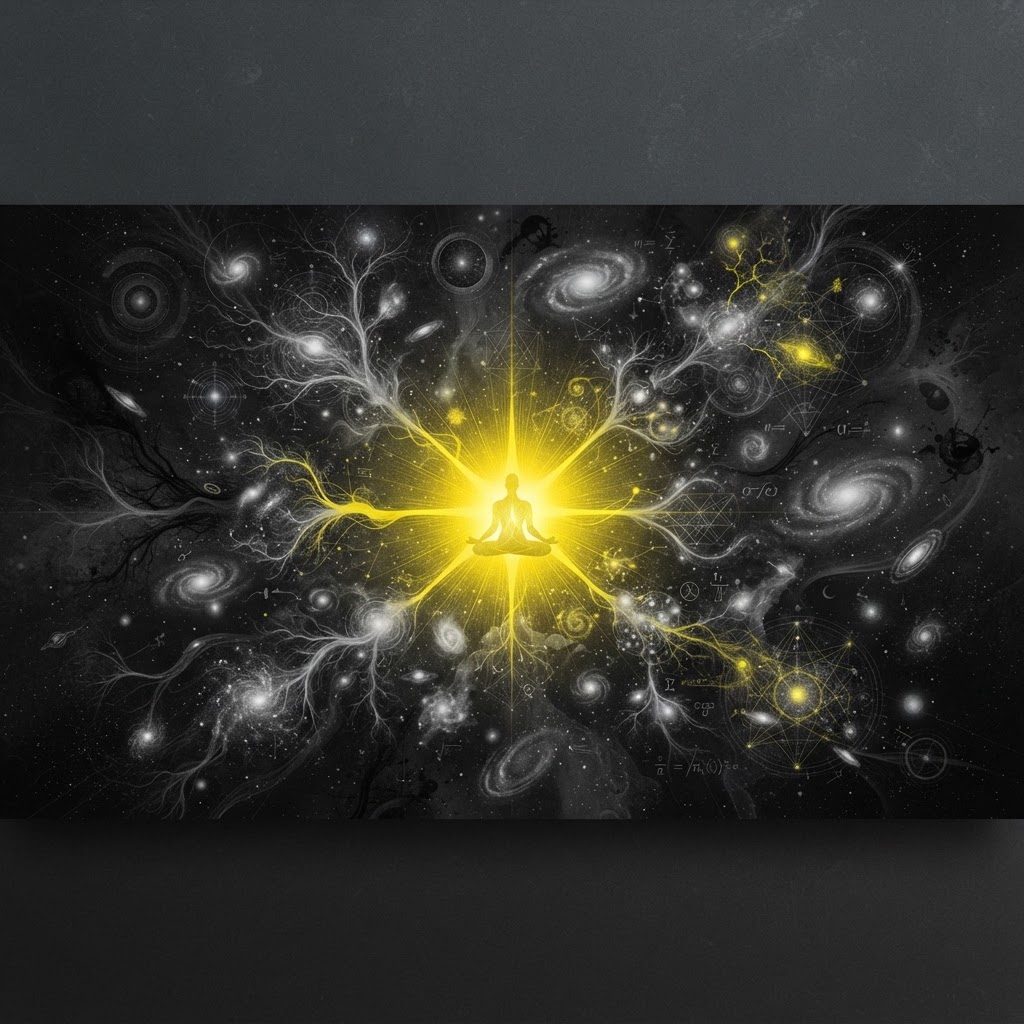
In 1964 Soviet astrophysicist Nikolai Kardashev, searching for radio signals from alien civilizations, asked: how powerful would the signal of a civilization far more advanced than ours be? He proposed ranking civilizations by the energy they can harness: Type I (planet), Type II (star), Type III (galaxy). In 1973 Carl Sagan made the scale continuous, allowing decimal values like 0.73. Later authors, including Michio Kaku, imagined levels beyond III.
Links to physics
The scale measures power, energy per second, in watts. Sagan's formula is K = (log10 P − 6) / 10. Each level is about 10 billion times the previous one: the Sun emits 3.8 × 10²⁶ W, the Milky Way about 10³⁶ W. Underneath lies thermodynamics: every complex structure, a cell or a city, exists only while it transforms energy and releases heat. More complexity requires more ordered energy.
Logic
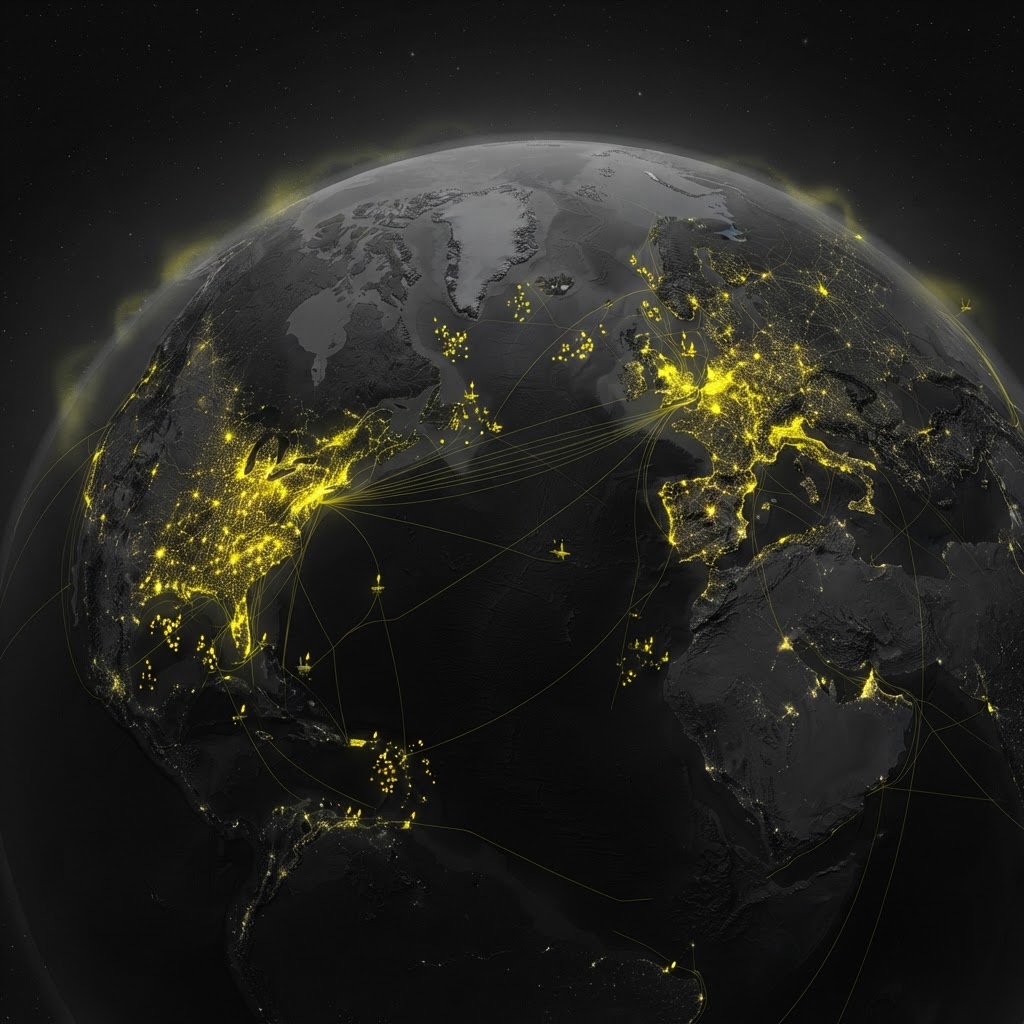
The scale is logarithmic: going from 0.7 to 0.8 does not mean 10% more, but ten times more energy. That is why humanity, despite huge progress, is still far from Type I: at current growth rates it would take about 100-200 years. The leap is not only technical: managing a whole planet's energy requires a civilization that coordinates like a single organism.
Meaning
The scale is a ruler, but also a mirror. It asks whether we can grow without destroying ourselves: many Great Filter hypotheses suggest civilizations fail precisely on the way to Type I, through war, climate and resources. Climbing a level therefore means maturing: more power requires more wisdom, cooperation and responsibility.